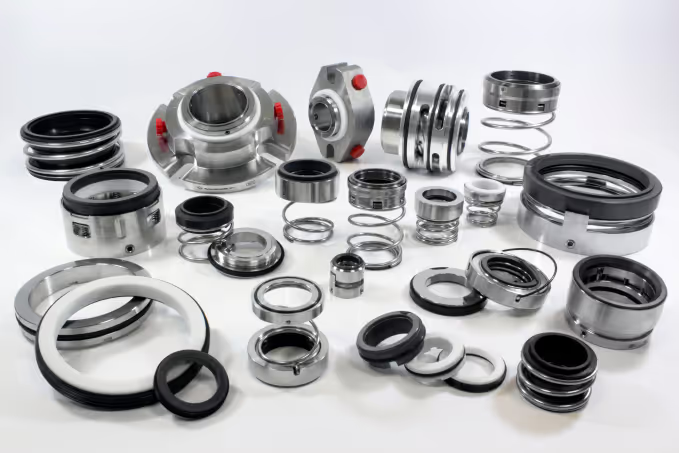


Quel matériau de surface du joint mécanique devez-vous spécifier pour votre application ?
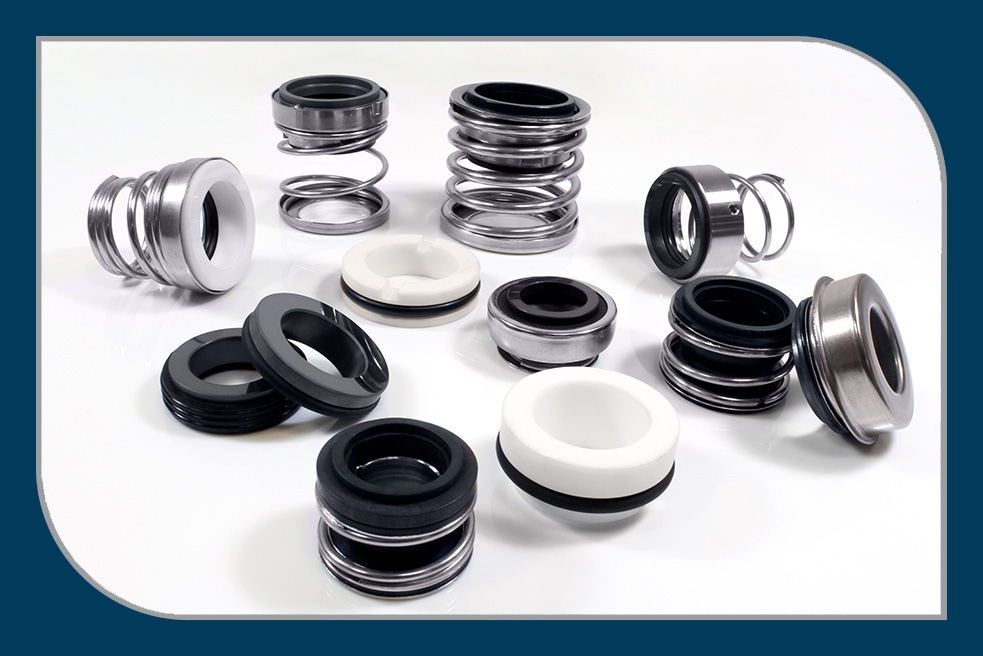
Choisir le bon matériau de surface du joint mécanique est essentiel pour garantir la fiabilité, l'efficacité et réduire les coûts du cycle de vie. Chez Vulcan Seals, nous travaillons avec des équipes d'ingénieurs pour sélectionner la bonne combinaison de faces d'étanchéité en fonction des conditions de fonctionnement, des fluides, de la température, de la lubrification et des solides réels. Cela vous permet de standardiser les performances et de minimiser les temps d'arrêt de vos actifs.
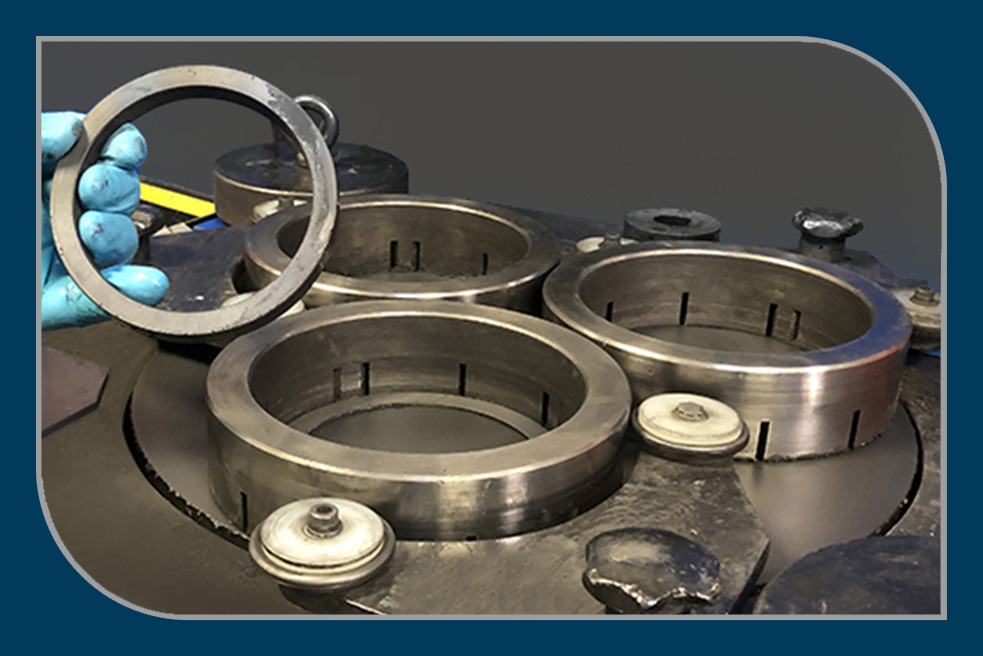
La capacité d'un joint mécanique est fortement influencé par le grade, la qualité et l'association des matériaux, et le choix optimal dépend toujours des paramètres de l'équipement et de l'application. Dans cette optique, voici un aperçu des options de faces de phoque courantes que nous proposons chez Vulcan Seals :
- Carbone (graphite de carbone) : Un matériau de surface très efficace lorsqu'il est utilisé avec un équivalent nettement plus dur. Disponible en plusieurs qualités, mais généralement évitée en présence de solides en raison de sa relative fragilité.
- Acier inoxydable 304/316 : Une option rentable pour des applications plus légères, mais les faces en acier inoxydable doivent être associées à du carbone et ne sont pas recommandées pour les supports chargés de solides.
- Fer à repasser résistant aux intempéries : Une alternative résistante à l'usure et thermiquement stable à l'acier inoxydable pour une utilisation dans les services de lubrification soumis à des fluctuations de température ; son utilisation avec des fluides chimiquement actifs n'est pas recommandée.
- Céramique d'alumine (99,5 %) : Il présente une forte résistance aux produits chimiques et à l'usure, mais il est plus vulnérable aux chocs et n'est donc pas idéal pour les applications impliquant un faible pouvoir lubrifiant, des solides ou des changements brusques de température.
- Carbure de silicium (SiC): Dureté et résistance à l'usure élevées, ainsi que de fortes capacités chimiques. Disponible en plusieurs grades ; l'association SiC/SiC est souvent préférée pour les fluides lubrifiants à haute teneur en solides.
- Carbure de tungstène: Très résilient avec une excellente résistance aux particules et aux chocs. Généralement réservé aux applications les plus exigeantes physiquement en raison du coût et des compromis tribologiques relatifs par rapport au carbure de silicium.
Si votre objectif est de mettre en œuvre une stratégie de maintenance tournée vers l'avenir impliquant moins de pannes, des intervalles d'entretien plus prévisibles et une standardisation plus stricte, Vulcan Seals peut vous aider avec des conseils sur les matériaux et des recommandations orientées vers l'application. Ils sont soutenus par notre gamme élargie de garnitures mécaniques et notre expertise technique.
Pôle de connaissances
Découvrez nos derniers articles sur les solutions d'étanchéité.